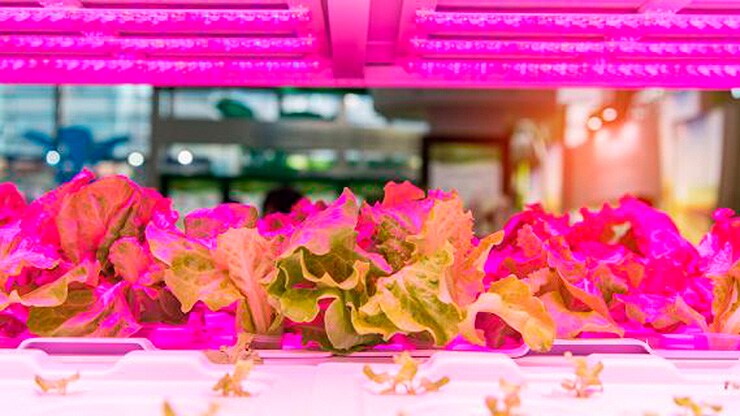
Sunday, November 21, 2021

How to build a successful vertical farm

How to Build a Successful Vertical Farm (Lessons from the Field)
Vertical Farming • Indoor Agriculture • Practical Lessons

How to Build a Successful Vertical Farm

The honest guide: why “warehouse + racks + LED lights” is not a business model, and what actually determines success — climate, lighting recipes, spacing strategy, and systems thinking.

The interest in growing plants indoors — in vertical farms, containers, or “plant factories” — keeps rising. And I understand why.

On paper, it sounds like the modern solution to land shortage, food security, and climate uncertainty: take an empty warehouse, stack shelves, plug in grow lights, grow lettuce all year round, and watch profits come in.

But many investors who entered this space with that assumption have been disappointed. Not because vertical farming is a bad idea — but because vertical farming is not a “plug-and-play” business. It is biology, physics, and operational discipline — packaged inside technology.

Core truth: You can have excellent packaging, attractive branding, and beautiful marketing… but the product itself — the consistency, taste, quality, and yield — will determine your success.

City farming expert Roel Janssen highlights a lesson many learn the hard way: new sensor technologies and the internet of things can elevate an indoor farm — but without a grower who truly understands how to grow plants indoors, you won’t get the best out of the operation.

Vertical farming is not a tech-first problem.
It’s a growing problem first, a technology problem second, and a business problem always.

Part 1: Getting the Climate, Lighting & Spacing Right

When you break down successful vertical farm projects, there are several key factors that repeatedly show up as “make or break” decisions. These are the areas that shape yields, quality, operating costs, and the ability to scale.

Key building blocks that determine success:

Crop selection Lighting selection & design-in Airflow design & climate control Spacing strategies Crop logistics & automation Irrigation & nutrition Data, sensors, control & software Substrate choice Target audience & sales channel

Now let’s talk business reality. When we look at return on investment (ROI) for a vertical farm, one metric quietly dictates profitability:

Grams per mol.
How many grams of crop you produce using the most ideal amount of light (measured in moles / mol). LEDs are among the largest expenses in infrastructure and operation — every wasted photon is wasted money.

Insights shared here are aligned with learnings from indoor farming research and commercial projects across regions (including work and testing environments like the Philips GrowWise Center and real farms across the US, Japan and Europe).

Step 1: Get the Climate Right (Or Nothing Else Works)

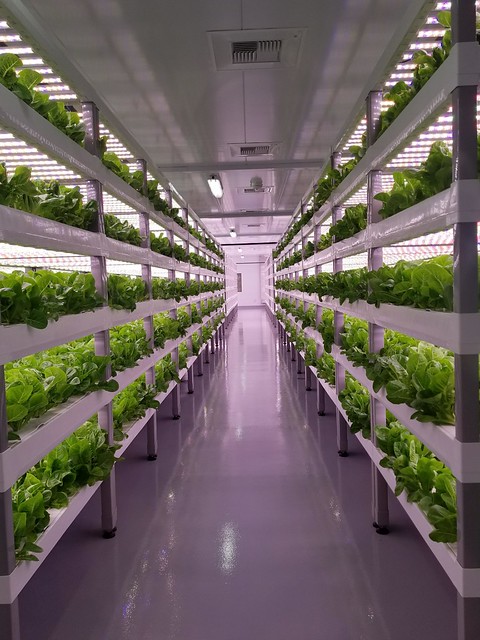
One area many new operators underestimate is climate. Indoor farming is not “set temperature once and forget it.” It is constant heat generation, constant humidity build-up, and constant airflow demands — especially at scale.

Here’s the uncomfortable physics of indoor farms: if we assume around 50% of electrical input becomes light, the remaining 50% becomes heat. That heat has to go somewhere.

A proper airflow can remove direct heat from lighting, but there is another hidden layer: once light is absorbed by the crop, it is indirectly converted into heat. The crop then evaporates water into the air to get rid of this heat — which raises humidity.

If humidity and temperature are not controlled, yields drop.
Poor climate control leads to uneven growth, stress responses, and extra costs later to “repair” inefficiencies that should have been designed correctly from day one.

That’s why a good ventilation and air handling system is not “nice to have.” It is the backbone of a working vertical farm.

Step 2: Get the Lighting Right (Not Just Brighter)

After climate is stable, the next question is: how do you maximize yield and quality with the light you pay for? This is where research and grower experience meet.

Many people think lighting is only about intensity. But in indoor farms, lighting is also about timing, spectrum, and crop-specific “light recipes.”

Take red oak lettuce. Outdoors, it turns red because it is stressed by sun exposure and temperature swings. That stress often comes with lower yield compared to green varieties.

Indoors, that same red oak lettuce may grow fast and strong — but remain mostly green because there is no UV stress. For the market, that appearance can be a problem because consumers expect it to look “red.”

The solution isn’t to grow slower or accept lower yield.
The solution is to apply a targeted pre-harvest light recipe that triggers coloration in just a few days.

This is why top farms treat lighting like strategy, not hardware: grow for biomass during the cycle, then apply a pre-harvest treatment for appearance and differentiation.

And once you layer this with better genetics and collaboration with breeders, farms can differentiate on taste, quality, shelf life, and colour — instead of competing only on price.

Step 3: Get the Spacing Right (Light the Plant, Not the Shelf)

Spacing is one of those topics that looks simple — until you calculate what wasted light costs you every month.

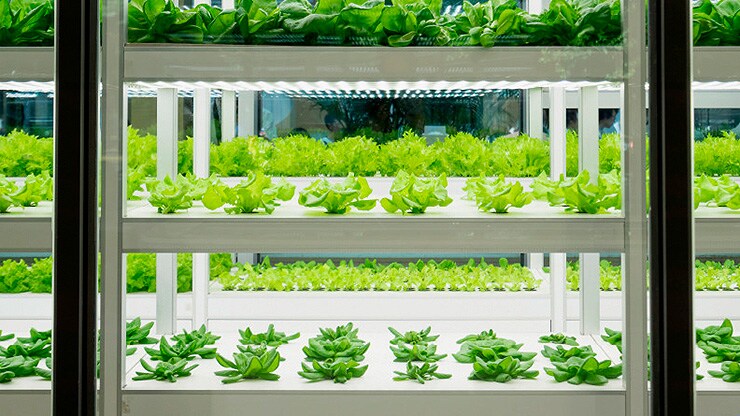
Your goal is to space plants so that each one receives an optimal amount of light, and you are lighting leaves, not empty areas or the shelves themselves.

Better spacing improves grams per mol.
It helps avoid waste, improves uniformity, and increases yield without necessarily increasing energy input.

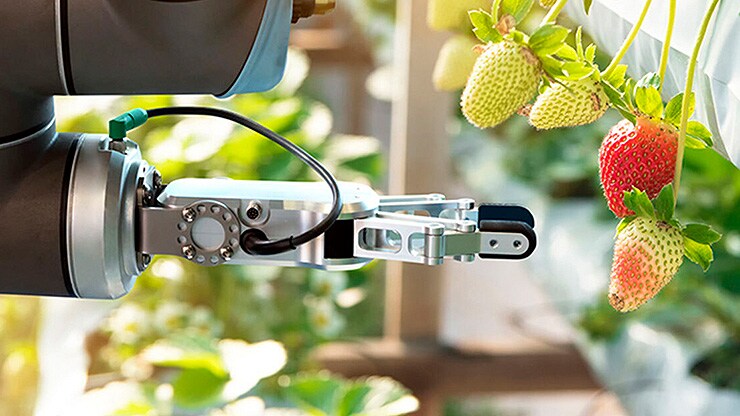
Spacing strategy also affects automation decisions. Many operators jump straight to spacing robots because it sounds efficient. But smart farms do the math first: compare the additional yield gained from spacing against the cost of automation.

Sometimes manual spacing with a disciplined SOP is more cost-efficient. Sometimes automation is worth it. But either way, the decision should be based on data, not hype.

The Bigger Lesson: Vertical Farming Is Systems Thinking

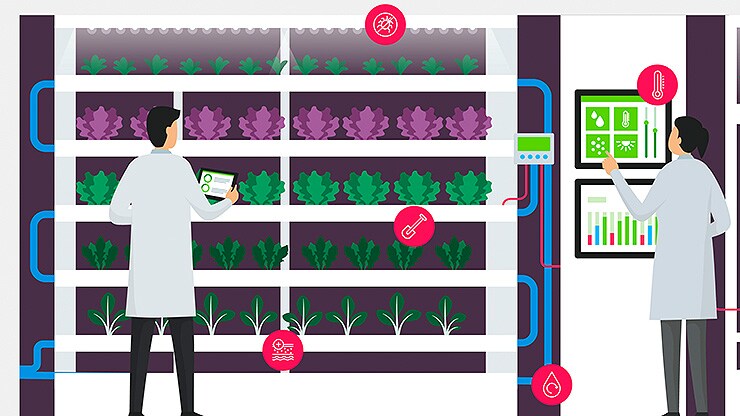
Vertical farming is not a “technology stack.” It is a living system. A chain. And a chain is only as strong as the weakest link.

The best operators start with the plant, then design the environment, then layer in technology to support consistency. They respect the fact that you can’t negotiate with biology.

Success isn’t “how fast can we build?”
Success is “do we truly understand what the plant needs — and can we deliver it consistently at scale?”

Vertical farming done right can be one of the most precise and scalable ways to grow food in a changing world. But it requires patience, proper planning, and a team that understands growing, operations, and markets — not just machinery and dashboards.

So Let Me Ask You…

If you’ve been thinking about hydroponics or vertical farming — whether as a business, an education program, or even a personal project — these are the real questions that matter:

  • How will you start — small, controlled, and proven… or big, expensive, and risky?
  • Where can you start — at home, in a classroom, in a container, or with a pilot farm?
  • What crop will you start with — and do you understand its climate and light requirements?
  • Do you have a real grower on your team — or only technology and equipment vendors?
  • Do you know your customer — restaurants, retailers, schools, or direct-to-consumer?
  • Are you ready to treat this as a system — not a simple “buy and plug in” project?
  • Most importantly: are you ready to learn, test, adjust, and build discipline into the operation?

Because vertical farming rewards those who respect the process. The question is not whether vertical farming works. The real question is: are you prepared to make it work?

If you’d like, I can also turn this into a series: Part 2 (Operations & SOP), Part 3 (Business model & sales), and Part 4 (Education program for kids & adults).

Essential Indoor Growing Tips

What Is Needed for Effective Indoor Agriculture? (3 Pillars for Success)
Indoor Farming • Hydroponics • Urban Agriculture

What Is Needed for Effective Indoor Agriculture?

A well-designed indoor growing system is not magic. It is discipline, consistency, and a few core principles done right. Here are the three pillars that decide whether your indoor farm thrives — or quietly struggles.

Indoor agriculture is exciting because it promises something that outdoor farming cannot always guarantee: control. Control over climate. Control over light. Control over pests. Control over consistency.

But here’s the truth many people only learn after spending money: plants forgive mistakes outdoors because nature absorbs the shock. Indoors, the system exposes every weakness — airflow, humidity, spacing, light intensity, expectations, and discipline.

Indoor farming is not “set and forget.”
It’s “design it right, then run it consistently.”

A strong indoor growing setup always comes back to three core components:

Expert Lighting Controlled Atmosphere Growing Space

Pillar 1: Expert Lighting

In indoor agriculture, light is not just illumination. Light is food. The way you deliver light determines crop productivity, plant health, and how consistent your harvest becomes.

Why it matters: Good lights help manage plant transpiration, canopy saturation, and yield. If you’re chasing maximum yield, lighting is the first pillar you cannot compromise on.

And this isn’t only about “bright.” It’s about uniformity, stability, and matching the intensity to what the plant can actually use. Too little light gives weak growth. Too much light without the right environment can stress or burn plants.

Pillar 2: Controlled Atmosphere

A controlled environment is one that reduces external influence and keeps conditions stable. That means controlling temperature, humidity, airflow, and even how air is circulated or recirculated.

Why is this powerful? Because plants respond best to consistency. If your farm constantly pulls outside air, your system becomes a daily battle — heating, cooling, dehumidifying, adjusting, repeating.

Consistency = lower stress = better growth.
A stable environment helps keep bugs out, keeps humidity where it should be, and avoids unnecessary energy spikes from constant fluctuation.

The goal is simple: give plants exactly what they need — not what the weather decides to give them that day.

Pillar 3: Growing Space

People underestimate space — especially in tight environments like shipping containers. The temptation is to squeeze in more plants and assume it increases output.

But the reality is: when things get too tight, airflow suffers, humidity pockets form, and mold/mildew risks rise. You also lose flexibility — you can’t run high-intensity lighting if plants are too close to the fixtures.

Space is king.
The extra bit of space often improves airflow, dehumidification, and overall plant health — which leads to higher net yield and fewer headaches.

So… What Are the Best Indoor Grow Lights?

The best indoor grow light depends on your purpose: are you learning and experimenting at home, running an education project, or aiming for commercial production?

For beginners at home (small budget, high learning)

If you’re just getting started, the best solution is usually the one within your budget — because if it’s too expensive, you simply won’t start.

A simple T5 or T8 fluorescent can work for learning. It may not create “grocery store” lettuce, but it gives you the most valuable outcome at the beginning: experience.

LED vs Fluorescent (a practical safety angle)

One often ignored factor: children and pets. Fluorescent tubes can break and many contain mercury components, which makes them hazardous if damaged. LEDs are generally more durable, safer in classrooms and homes, and often more efficient — though typically higher in upfront cost.

How to Select a Crop for Indoor Growing

Start with something you actually enjoy eating. There’s no point growing mint if you can’t stand it — you’ll lose motivation fast.

Then be realistic about two things: the plant’s footprint (size) and lifecycle (how long to harvest). Some crops simply don’t make sense in small indoor setups.

Beginner-friendly crops: loose-leaf lettuces, herbs, many brassicas.
Harder at the start: fruiting plants like cucumbers, tomatoes, strawberries (flowering + vines + extra management).

Most people get discouraged not because indoor farming “doesn’t work,” but because they compare a home setup to industrial farms on social media and expect the same results immediately. Start small, learn the plant, then scale.

Can Indoor Farming Be Profitable?

Indoor farming can be profitable, but it is not instant. Many successful systems target an ROI within 3–5 years, which is normal for new businesses. Be cautious of anyone promising “quick returns in year one.”

The biggest driver of profitability is not hype — it’s discipline in farming, clarity in market, and consistency in operations.

Something to Think About (and Act On)

If you’ve been watching videos, reading articles, or dreaming about indoor farming — pause for a moment. Not to overthink. To get honest with yourself.

  • Why do you want to start indoor growing — health, learning, business, or sustainability?
  • Are you ready to start small first, just to learn the plant and the system?
  • Where can you start from today — a corner in your kitchen, a balcony, a small rack, a classroom, a garage?
  • What’s your first crop — something you love eating, or something you chose because it looks good online?
  • Do you have realistic expectations — or are you comparing your home setup to a commercial plant factory?
  • What will you control first: light, airflow, humidity — or will you “wing it” and hope it works?
  • If it’s for business: who will buy it from you, and why would they pay for your story and your quality?
  • And the biggest one: are you ready to be consistent? Because plants respond to consistency more than motivation.

My advice is simple: get started.
Start small. Learn fast. Improve one thing at a time.
Indoor agriculture is not about perfection — it’s about building a system that gets better every week.

Want me to turn this into a beginner step-by-step “Start Today” guide (with a simple home setup, basic costs, and a 14-day learning plan)? Tell me your target audience: kids, adults, schools, or business starters.

Vertical Farming for the Future

Indoor vertical farming
Indoor and vertical farming may be part of the solution to rising demands for food and limited natural resources. Photo credit: Oasis Biotech

Imagine walking into your local grocery store on a frigid January day to pick up freshly harvested lettuce, fragrant basil, juicy sweet strawberries, and ripe red tomatoes – all of which were harvested at a local farm only hours before you’d arrived. You might be imagining buying that fresh produce from vertical farms where farmers can grow indoors year-round by controlling light, temperature, water, and oftentimes carbon dioxide levels as well. Generally, fresh produce grown in vertical farms travels only a few miles to reach grocery store shelves compared to conventional produce, which can travel thousands of miles by truck or plane.

Beyond providing fresh local produce, vertical agriculture could help increase food production and expand agricultural operations as the world’s population is projected to exceed 9 billion by 2050. And by that same year, two out of every three people are expected to live in urban areas. Producing fresh greens and vegetables close to these growing urban populations could help meet growing global food demands in an environmentally responsible and sustainable way by reducing distribution chains to offer lower emissions, providing higher-nutrient produce, and drastically reducing water usage and runoff.

Recently, USDA and the Department of Energy held a stakeholder workshop focused on vertical agriculture and sustainable urban ecosystems. At this workshop, field experts shared thought-provoking presentations followed by small group discussions focusing on areas such as plant breeding, pest management, and engineering. Workshop attendees from public and private sectors worked together to identify the challenges, needs, and opportunities for vertical farming. A report on this workshop will be released to help inform Departmental strategic planning efforts for internal research priorities at USDA and external funding opportunities for stakeholders and researchers.

We’re excited about the potential opportunities vertical agriculture presents to address food security. 

Urban Farming: Growing Vegetables in Cities

 Sharing this article from https://www.bayer.com/en/news-stories/urban-farming-growing-vegetables-in-cities


Empty shelves, lines of shoppers waiting to get into grocery stores, worried people panic-buying – scenes from the novel coronavirus pandemic have suddenly made us aware of how fragile the supply chains for everyday items that we assumed were secure can be in times of crisis. In order to feed the world in the future, there need to be new solutions for farming. One such solution is urban farming.

More people, less arable land

Some numbers demonstrate the topicality of these deliberations: The United Nations estimates that there will be approximately 10 billion people on our planet by the year 2050, with some two-thirds living in cities. The world’s arable land per-capita is likely to shrink by 20 percent over that same period, due in part to increasing climate change and advancing erosion.


Innovative solutions are needed for feeding more people while using less land. Urban farming – particularly vertical farming – is one such solution.


vertical_farming_galerie_02.jpg


Rooftop vegetables

This cultivation method offers a whole range of advantages: In fact, a single vertical farm can grow 4 hectares (10 acres) — or roughly five Olympic-size swimming pools — worth of food on less than half a hectare of land, making it ideal for urban areas and in preserving space for biodiversity (by relieving pressure on natural fallow land that otherwise would be turned into farmland, thereby aiding wildlife conservation).
Vertical Farming also helps to meet the increasing need and desire for locally-grown produce. Local production eliminates long-distance transportation from producer to consumer, while also reducing food loss along the journey and food waste.
Tomatoes, peppers, lettuce, and mushrooms : These crops thrive in the controlled microclimates of the fields on each floor - free of the harsh extremes of climate change and seasonality. Correspondingly, these urban farms promise higher yields. At the same time, these self-contained, precision growing systems protect the exterior environment by reducing dependency on synthetic chemistry and other crop inputs, optimizing water use and allowing food growth in challenging environments with limited arable land. And of course, the benefits don’t end there.


  1. Frost can’t bite
    so farmers can grow their crops year-round.

  2. Pests can't pester
    so farmers can dramatically reduce inputs.

  3. Nutrients stay put
    so farmers can conserve natural resources.

  4. Moisture is recycled
    so farmers can use virtually every single drop to increase water efficiency by up to 90%.

  5. Land is (barely) needed
    so farmers can grow enough with less.


vertical_farming_galerie_04.jpg


Technologies make a significant difference in vertical farms

New sensors, smart energy systems, and other technologies make growing more efficient. Just like the many people using smart devices and automation to make their homes more convenient, vertical farms are typically automated to control light, temperature, and water use. They allow farmers to optimize the conditions required for growing to produce the food that consumers want most at the store.


AI and machine learning help to bolster efficiencies, save resources, and reduce the cost of growing crops vertically. Some systems can even use cameras and sensors to assess when crops are ready for harvest. Identifying exactly when to pick specific plants, this process has already been shown to significantly reduce the food waste that sometimes comes with full-field harvests.


vertical_farming_galerie_03.jpg


Even subtle innovations like advanced LED bulbs are helping to cut costs, increasing energy efficiency while drastically reducing heat waste within the system. Taken together, vertical indoor farms and automated technologies are producing a 100-fold increase in efficiency to generate 10 times the harvest while using only one-tenth of the resources.


However, no metropolis will be able to feed itself solely from urban farming. A 2018 study suggests that cities will most likely be able to produce enough vegetables for their population. In any case, experts anticipate increasing yields in the near future.


There are currently 204,387 sq m (about 2.2 million sq ft) of indoor farms operating across the globe, and that number is expected to increase almost tenfold to 2 million sq m (about 22 million sq ft) in the next five years.


Will vertical farming replace other farming environments? No, but as climate change and a growing global population continue to raise the stakes for our food system, vertical farming is emerging as one of many complementary solutions in our collective pursuit of sustainability and food security.


vertical_farming_galerie_01.jpg


Bayer unveils new company focused on developing breakthroughs in vertical farming

Leaps by Bayer and Singapore-based Temasek have already joined together to form the startup Unfold. The new venture will focus on innovation in vegetable varieties tailored for the unique indoor environment of vertical farms that deliver optimized quality and sensory experience.


Jürgen Eckhardt

Head of Leaps by Bayer

Companies like Unfold hope to supply restaurants, airlines, schools, hospitals, businesses, grocery stores, and on-line delivery services — both in city centers and throughout food deserts and especially in times of crisis such as the COVID-19 pandemic — with fresh, sustainable, and hyper-local produce with a smaller ecological footprint.


The formation of the new company Unfold aligns with our vision of “Health for All, Hunger for None”, a commitment to the Sustainable Development Goals the United Nations has set for 2030, especially the goals of assuring healthy lifestyles and putting an end to hunger.


Thursday, May 20, 2021

Acetic Acid (Vinegar) as an Herbicide

Many of us have heard about the benefits of using vinegar in gardens, mainly as an herbicide. But how effective is vinegar and what else can it be used for? Let’s find out more about how to use vinegar in the garden. 

Using Vinegar in Gardens It has been said that one of the benefits of vinegar in the garden is as a fertilizing agent. Nope. Acetic acid only contains carbon hydrogen and oxygen — stuff the plant can get from the air. Vinegar has been recommended for use to up the pH levels in your soil. Apparently not so. The affects are temporary and require large amounts of vinegar in the garden before anything noteworthy occurs. 

The last, but most commonly suggested use for vinegar in the garden is as an herbicide. Household white vinegar, at its 5 percent acetic acid level, does indeed burn the tops of the weed. It does not, however, have any effect on the roots of the weed and will toast the foliage of any other plants it comes in contact with. Vinegar as Herbicide Woo hoo! Vinegar as herbicide: a safe, easily found (often in the kitchen cabinet) and inexpensive product to use in the control of weeds. 

Tell me all about it! Okay, I will. The use of vinegar in the garden to retard weed growth has long been recommended by your neighbor, your neighbor’s grandmother and your own mother, but does it work?


Read more at Gardening Know How: Garden Uses For Vinegar – Tips For Using Vinegar In Gardens https://www.gardeningknowhow.com/garden-how-to/info/use-vinegar-in-gardens.htm

Vinegar contains acetic acid (about 5 percent), which as the nomenclature suggests, burns upon contact. Actually, for any of you who have inhaled a whiff of vinegar, it also affects the mucus membranes and causes a swift reaction. Due to its burning effects, using vinegar in the garden has been touted as a cure all for a number of garden afflictions, most notably weed control. 

The acetic acid of vinegar dissolves the cell membranes resulting in desiccation of tissues and death of the plant. While this sounds like a splendid outcome for the plague of weeds invading your yard, I suspect you wouldn’t be quite as thrilled if vinegar as herbicide were to damage your perennials or garden veggies. A higher acetic acid (20 percent) product can be purchased, but this has the same potentially damaging results as utilizing vinegar as herbicide. At these higher concentrations of acetic acid, some weed control has been shown to be established (80 to 100 percent of smaller weeds), but be sure to follow the manufacturer’s instructions. Also, be aware of its caustic effects on your nasal passages, eyes and skin, not to mention garden plants and take the appropriate precautions. 

Despite the longstanding proponents for using vinegar in gardens, little beneficial information has been proven. It seems that research conducted by the USDA with solutions containing 5 percent vinegar has not been shown to be a reliable weed control. Higher concentrations of this acid (10 to 20 percent) found in retail products may retard the growth of some annual weeds and will indeed kill the foliage of perennial weeds such as Canada thistle, but without killing the roots; thereby, resulting in regeneration. 

In summary, vinegar used as herbicide may be slightly effective on small annual weeds during the lawn’s dormancy and prior to garden planting, but as a long-term weed control, it’s probably better to stick with the old standby — hand pulling or digging. Additional Garden Uses for Vinegar Don’t be alarmed if the benefits of vinegar aren’t what you thought they would be. 

There are other garden uses for vinegar that can be just as good, if not better. Using vinegar in gardens goes far beyond weed control. Here are more options for how to use vinegar in the garden: Freshen up cut flowers. Add 2 tablespoons vinegar and 1 teaspoon sugar for each quart of water. Deter ants by spraying vinegar around door and window frames, and along other known ant trails. Eliminate calcium buildup on brick or on limestone with half vinegar and half water. Spray on and then just let it set. 

Clean rust from garden tools and spigots by soaking in undiluted vinegar overnight. And finally, don’t forget the animals. For instance, you can remove skunk odor from a dog by rubbing down the fur with full strength vinegar and then rinse clean. Keep cats away from garden or play areas (especially sandboxes). Just sprinkle vinegar in these areas. Cats hate the smell.

Read more at Gardening Know How: Garden Uses For Vinegar – Tips For Using Vinegar In Gardens https://www.gardeningknowhow.com/garden-how-to/info/use-vinegar-in-gardens.htm

How it works as a pesticide Acetic acid is applied as a liquid spray or drench to weeds after they emerge from the soil. It is a contact herbicide, meaning it only affects plant tissue it touches. The acid breaks up cell membranes and makes them leak, causing the plant to dry out and die. Depending on plant age, air temperature, humidity, and direct sunlight levels, this may take from a few hours to several days. The drying effect is not limited to just certain plants; any new plant tissue can be affected. 

Avoid getting drops of spray onto plants you do not want damaged. 

Young seedlings and new growth have a thinner leaf cuticle than older plants or woody parts, making it easier for acetic acid to break down cell membranes. For example, in one study acetic acid sprayed at 5%–20% concentration killed 80%–100% of weed seedlings that were from 3 inches–9 inches tall. However, when 10% acetic acid was sprayed on mature blackberry plants, only 5% of leaves were burned back. 

Thick, waxy cuticles and woody plant tissue are more resistant to liquid entering, thus harder to kill. To overcome this, trim perennial weeds so they regrow tender new growth. Follow this with a spray application to the new growth to deplete the weed’s energy stores. Many cycles of trim-and-spray are likely needed to effectively treat stubborn perennial weeds such as Canada thistle (Figure 1). Acetic acid is sometimes mixed with citric or other acids. It can also be listed as an inert ingredient on some herbicide labels. 

The point to remember with acetic acid is that high concentrations are more effective on woody perennial weeds, while low concentrations will work effectively only on very young weed seedlings.

Some of the articles, research papers that may interest you:
https://ecommons.cornell.edu/handle/1813/46234  
Evaluation of acetic acid based herbicides for use in broad-spectrum turfgrass and weed control

https://www.cambridge.org/core/journals/weed-technology/article/abs/integration-of-vinegar-for-inrow-weed-control-in-transplanted-bell-pepper-and-broccoli/43068DA3775AC0CB4B1287C043B82DFD
Integration of Vinegar for In-Row Weed Control in Transplanted Bell Pepper and Broccoli

Herbicidal Effects of Vinegar and a Clove Oil Product on Redroot Pigweed (Amaranthus retroflexus) and Velvetleaf (Abutilon theophrasti) 
https://www.researchgate.net/publication/232684399_Herbicidal_Effects_of_Vinegar_and_a_Clove_Oil_Product_on_Redroot_Pigweed_Amaranthus_retroflexus_and_Velvetleaf_Abutilon_theophrasti

What's the benefits of wood vinegar for different crops?https://www.researchgate.net/post/Whats_the_benefits_of_wood_vinegar_for_different_crops

Read more at: https://newcropsorganics.ces.ncsu.edu/2013/08/acetic-acid-vinegar-as-an-herbicide/

Acetic acid - How to use in organic farm? NO FEAR, NOT THE ACID YOU THINK OFF

Acetic acid is a clear, colorless, organic liquid with a pungent odor similar to household vinegar. Acetic acid has a variety of uses, including as a raw material and solvent in the production of other chemical products, oil and gas production, and in food and pharmaceutical industries.

Uses & Benefits

One of the most common ways consumers may come into contact with acetic acid is in the form of household vinegar, which is naturally made from fermentable sources such as wine, potatoes, apples, grapes, berries and grains. Vinegar is a clear solution generally containing about 5 percent acetic acid and 95 percent water.  Vinegar is used as a food ingredient and can also be an ingredient in personal care products, household cleaners, pet shampoos and many other products for the home:

  • Food Preparation: Vinegar is a common food ingredient, often used as a brine in pickling liquids, vinaigrettes, marinades and other salad dressings.  Vinegar also can be used in food preparation to help control Salmonella contamination in meat and poultry products.
  • Cleaning: Vinegar can be used throughout the home as a window cleaner, to clean automatic coffee makers and dishes, as a rinsing agent for dishwashers, and to clean bathroom tile and grout. Vinegar can also be used to clean food-related tools and equipment because it generally does not leave behind a harmful residue and requires less rinsing.
  • Gardening: In concentrations of 10 to 20 percent, acetic acid can be used as a weed killer on gardens and lawns. When used as an herbicide, the acetic acid can kill weeds that have emerged from the soil, but does not affect the roots of the weed, so they can regrow.

When acetic acid is at 99.5 percent concentration, it is referred to as glacial acetic acid. Glacial acetic acid has a variety of uses, including as a raw material and solvent in the production of other chemical products.  

Industrial applications for glacial acetic acid include:   

  • Vinyl Acetate, cellulose fibers and plastics: Acetic acid is used to make many chemicals, including vinyl acetate, acetic anhydride and acetate esters.
    • Vinyl acetate is used to make polyvinyl acetate, a polymer used in paints, adhesives, plastics and textile finishes.
    • Acetic anhydride is used in the manufacture of cellulose acetate fibers and plastics used for photographic film, clothing and coatings.
    • Acetic acid is also used in the chemical reaction to produce purified terephthalic acid (PTA), which is used to manufacture the PET plastic resin used in synthetic fibers, food containers, beverage bottles and plastic films.
  • Solvents: Acetic acid is a hydrophilic solvent, similar to ethanol. It dissolves compounds such as oils, sulfur and iodine and mixes with water, chloroform and hexane.
  • Acidizing oil and gas: Acetic acid can help reduce metal corrosion and scale build-up in oil and gas well applications. It is also used in oil well stimulation to improve flow and increase production of oil and gas.
  • Pharmaceuticals and vitamins: The pharmaceutical industry uses acetic acid in the manufacture of vitamins, antibiotics, hormones and other products.
  • Food Processing: Acetic acid is commonly used as a cleaning and disinfecting product in food processing plants.
  • Other uses: Salts of acetic acid and various rubber and photographic chemicals are made from acetic acid. Acetic acid and its sodium salt are commonly used as a food preservative.

Acetic Acid is a synthetic carboxylic acid with antibacterial and antifungal properties. Although its mechanism of action is not fully known, undissociated acetic acid may enhance lipid solubility allowing increased fatty acid accumulation on the cell membrane or in other cell wall structures. Acetic acid, as a weak acid, can inhibit carbohydrate metabolism resulting in subsequent death of the organism.

Answering Questions

What is the difference between acetic acid, glacial acetic acid and vinegar?

Acetic acid in its pure form (99.5 percent concentration) is also known as glacial acetic acid. Glacial acetic acid has numerous industrial uses. Vinegar contains 4 to 8 percent acetic acid, and is made from the fermentation of fruit or grain juices/liquids.

Is acetic acid hazardous to the environment?

According to the information considered under the Ecological Risk Classification of Organic Substances Approach, acetic acid is identified as having a low ecological hazard potential.

How likely am I to be exposed to acetic acid?

Consumer exposure to acetic acid is usually limited to vinegar, which is a solution containing 5 percent acetic acid and not hazardous in that form. Occupational exposure to glacial acetic acid can be hazardous, and precautions should be taken to limit exposure through inhalation, and skin and eye contact.

Can vinegar be used as a household disinfectant?

Vinegar can be used to clean some household surfaces and glass as its acidic properties can help dissolve dirt, grease and grime.  However, there is a difference between cleaning and disinfecting. Vinegar is not an EPA-registered household disinfectant and may not be as effective for killing pathogens.

Can vinegar be used as an antimicrobial to kill the novel coronavirus?

EPA does not review the effectiveness of common household ingredients like vinegar, and cannot verify how well it will work to kill the novel coronavirus that causes COVID-19.

Acetic acid is a simple monocarboxylic acid containing two carbons. It has a role as a protic solvent, a food acidity regulator, an antimicrobial food preservative and a Daphnia magna metabolite. It is a conjugate acid of an acetate.

Acetic acid, glacial appears as a clear colorless liquid with a strong odor of vinegar. Flash point 104°F. Density 8.8 lb / gal. Corrosive to metals and tissue. Used to make other chemicals, as a food additive, and in petroleum production.

Top 10 Best Organic Weed Killer for Garden & Lawn 2021 – Detailed Guide

 Weeds will improve your garden’s aesthetic appeal. And you can get rid of them as soon as they’re sprouting. Some lawn lovers face a challenge owing to the unselective presence of certain weeds and plant killers. Unselective herbicides may be toxic to the vegetation you’ve tendered for years.

Knowing the right organic weed killer for the lawns is also necessary to avoid any harm to your lush turf. We understand you want to destroy the weeds on your lawn with minimal if any, interference. While messing with the lawn’s appearance, weeds would also rob the plant of its nutrition and ability to grow. With the aid of a zero turn lawn mower, keep your lawn tidy here too!

The results may cause the grass to become toxic, contributing to decay. There are other weeds that you can easily get rid of by weeding or uprooting. Some are persistent, which would be pointless attempting to eliminate them. Even, we are not unaware that weeding and rooting may be tiresome for you.

Chemicals are the most effective, efficient, and easiest tool for bidding goodbye to troublesome weeds. Use a good weed killer that will prevent marijuana from rising again! See these string trimmers for more ways to maintain your yard looking top-notch.

Benefits of Using Organic Weed Killer
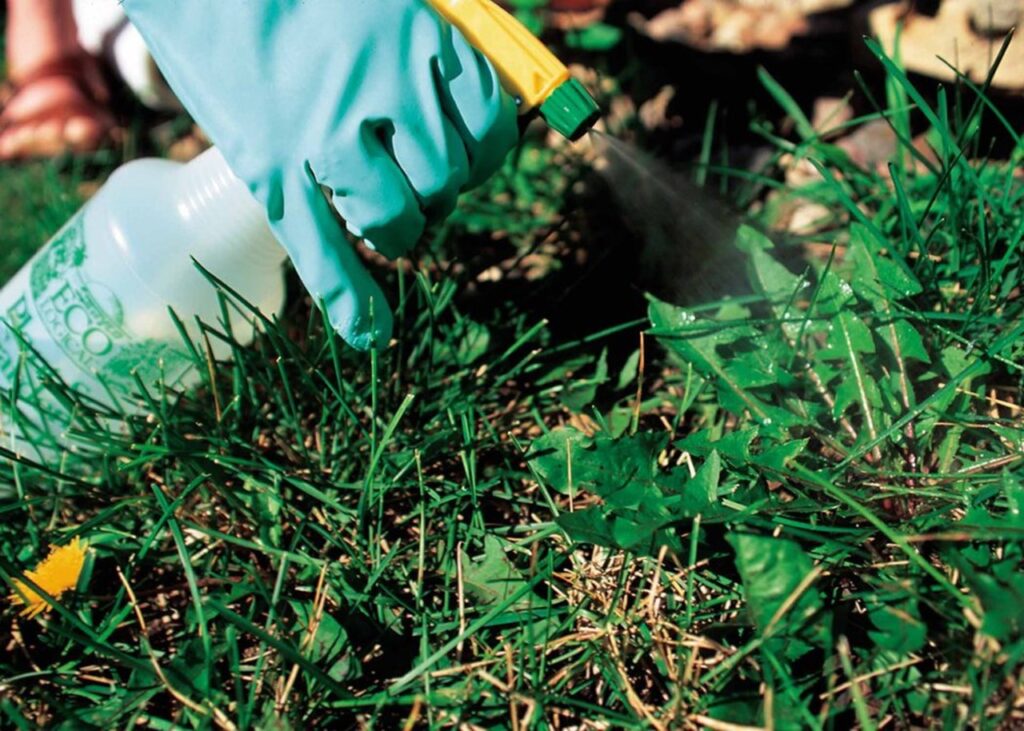
Many gardeners tend to use healthy, more sustainable weed control approaches as opposed to harsh, harmful chemicals that may destroy the nearby plants and may even contaminate groundwater.

It’s also a safer option for your family to use organic weed killers, especially if you have pets or small children running around your yard.

Yeah, what’s so terrible with the organic weed killers? The primary element, glyphosate, builds up in the soil for a long period, then stays around. This may contribute to genetic defects or trigger cancer with ample exposure.

The biggest distinction between chemical and organic killers of weeds is that organic killers of weeds may not use pesticides and they are much healthier. They even function, as we shall see, in a very different appetite than chemical herbicides.

Another nice thing about organic weed killers is that they don’t have the same strong, toxic scent that typical weed killers do. Since all of them come from essential oils, some also smell sweet, believe it or not.

Finally, you don’t have to wait days when you’re using an organic weed killer to use your yard again. This is perfect especially if you have children or pets that love to spend time running around the yard. Typically, you can replant very easily in the field too.

Also, See Natural Ways to get rid of Weeds and Grass from Growing in Garden

Top Organic Weed Killers for Garden & Lawn

There is a large selection of herbal weed killers out there. If you are not sure which one to purchase or feel a little confused, here are eight of the best available ones.

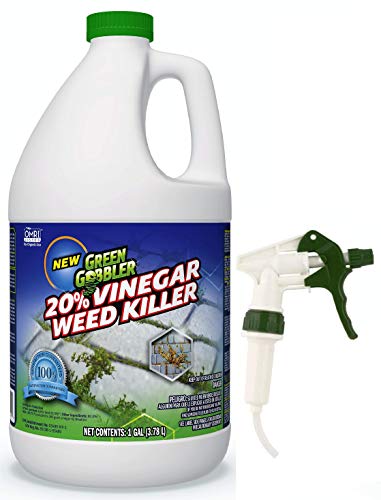
1. Green Gobbler Vinegar Weed & Grass Killer
Check on Amazon

This Green Gobbler weed killer destroys weeds in under 24 hours. Acetic acid, extracted from maize, is the principal element. Acetic acid is the same substance present in table vinegar but is just four times as high with this dosage.

As this drug is organically certified it is suitable for residential or agricultural use. You may use it on driveways, on mulch fields, on farms, etc. It’s good against all sorts of weeds like white clover, moss, dandelions, and crabgrass and it’s ready to go out of the bottle right away.

Using supplied sprayer to apply. Use on a clear sunny day for better performance, then blend with a surfactant. One of the great aspects of this offer is that it comes with a fixed 30-day money-back. If you’re not satisfied with that, Green Gobbler can refund your money without any queries.

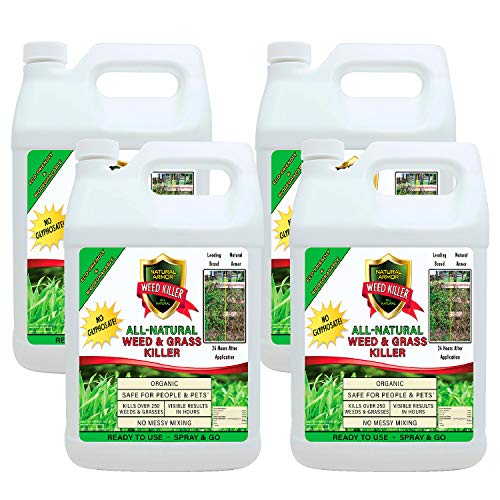
2. Natural Armor Weed and Grass Killer All-Natural Concentrated Formula
Check on Amazon

Another great choice is Natural Armor, a family-owned company devoted to its clients and the climate. The organic solution is chemical-free with no pesticides and destroys over 250 plant and weed forms.

Since this weed killer is biodegradable, non-toxic, and environmentally sustainable, it’s healthy for your families and pets as well as for the area’s wetlands, birds, and fish. The container arrives with a sprayer, which is able to use, with no blending or dilution.

Data can be reported in as early as 24 hours, if not earlier. We appreciate this product comes with a money-back guarantee of 100 percent as well. If you’re not happy with the way it operates, you’ll get a trouble-free refund from Natural Armor

3. Doctor Kirchner Natural Weed & Grass Killer

Check on Amazon

To make this strong and efficient weed killer, Doctor Kirchner uses saltwater, food-grade commercial-strength vinegar, and wash. You don’t have to blend or dilute it, simply dump in and add the liquid herb killer into a spray container.

This approach was developed to provide for weeds without damaging the natural ecosystem. When used as guided it is pet-friendly, kid-friendly, and absolutely free. Sprinkle until soaked plants, then wait. That’s it! The findings are visible within hours, with peak tests varying from 12 to 24 hours.

This has a very long shelf life and you purchase a big container, use what you use, and reserve the remainder for when you use it. — container is proudly manufactured in Fort Pierce, Florida, and starts at high tide with ocean water gathered. You simply can’t get more normal than that.

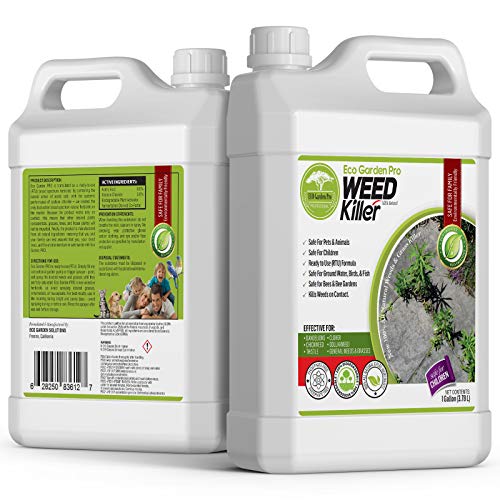
4. ECO Garden PRO – Organic Vinegar Weed Killer
Check on Amazon

Green Greenhouse Design process that is highly environmentally conscious. Both products are chosen to be healthy not only for children and pets but also for birds, bees, and other wildlife that might come into contact with it.

You can use this drug just about everywhere because it’s so clean. It’s made of natural white vinegar, Himalayan rock salt, plant activators, and co-factors that remove a variety of weeds like clover, dandelion, crabgrass, white clover, thistle, and more.

Eco Garden Solutions is also a formidable organization. They do use products in a prescription quality that are manufactured sustainably where appropriate. Each bottle is backed by a 100 percent guarantee of satisfaction. They will give you a full refund if you are not satisfied.

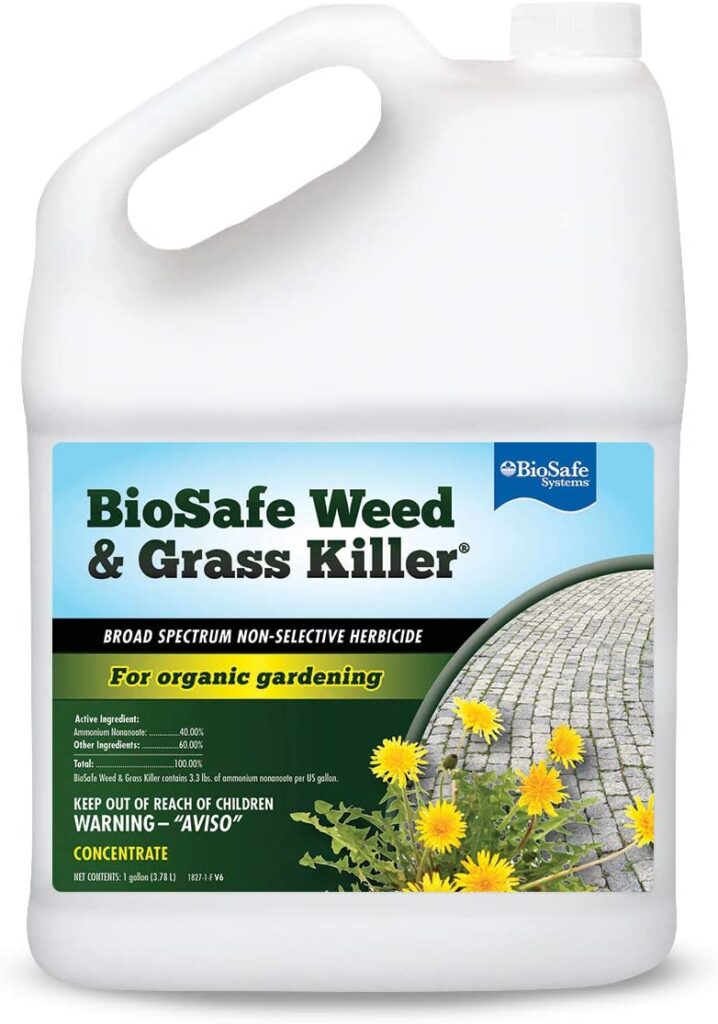
5. BioSafe Systems 7601-1 BioSafe Weed Control Concentrate
BioSafe Weed Control Concentrate

Check on Amazon

If you are looking for something that works quickly, take a look at this Biosafe Systems device. In as little as two hours it destroys undesirable grasses and weeds and is successful against liverwort, spurge, crabgrass, ragweed, dandelions, and more.

What we particularly appreciate about this drug is that it isn’t going to pass through the soil and damage the plants around it. Plus, you can only replant four days after application in the same place.

This drug performs well when added to weeds that are very rain- or dew-wet. Since it begins functioning in touch, it’s easy to see if you’ve implemented it, helping to prevent bad plants. During hot weather, the solution works well but is successful at any time.

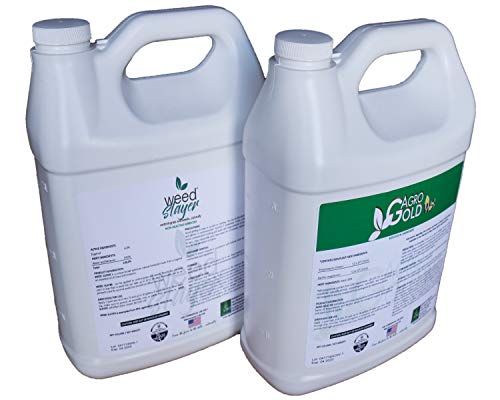
6. Weed Slayer Organic Herbicide Natural Grass and Weed Control
Weed Slayer Organic Herbicide

Check on Amazon

You can trust with a name like Weed Slayer this one gets the job done. This solution is produced using a herbicide dependent on plants, extracted from the basic clove oil called eugenol, a safer alternative to glyphosate that is healthy for your health and the world.

This line is a bit different than what we have seen so far, so you have to put it together. A fifth of AgroGold goes along with the herb killer. Simply combine the two substances in equal sections and before use, blend with cold. Includes easy-to-understand guidance.

The odor is something we really enjoy about this drug. Since it’s made from natural oils when you mist it has a nice scent. This system functions a little slower than some of the other items we’ve used but it’s reliable and incredibly healthy overall.

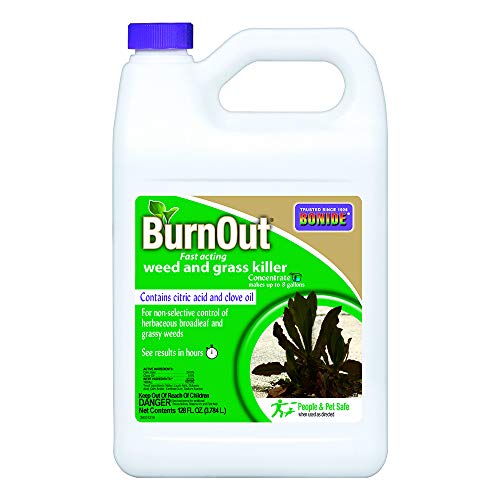
7. Bonide (BND7465) – Burnout Concentrate
Check on Amazon

Finally, we suggest this Bonide Weed Killer. In as few as a few hours, it handles a number of grassy weeds and broadleaf plants with success. Check out the guidelines provided for information about how to treat every form of the plant.

What we particularly appreciate about this one is that it is waterproof until it dries, and it stays running even though the weather changes later in the day. It may be used in temperatures as low as 40 degrees F so it is protected along with large forests, walls, driveways, and even school grounds.

Until used, this drug needs to be combined with water, approximately one part weed killer to three parts water. It contains a measuring cup, so you can get the right proportions. Just blend together, then add a spray bottle. Citric acid and clove oil are the primary ingredients so that it tastes amazing too.

Check for More Products on Organic Weed Killer

What is the Best Organic Weed Killer?

All the items we mentioned in this review are fantastic but if we were to pick one, we will go for Green Gobbler Vinegar Weed & Grass Killer. We love that gets tests in less than 24 hours and use corn-derived acetic acid as the key ingredient.

A lot of people are seeking to use white vinegar for plant control. Well, this drug uses the same acid contained just four times as strong in vinegar which makes it far more powerful. It’s easy to go straight from the box and contains a sprayer so you don’t have to add anything special.

Another factor we strongly suggest this drug is that it comes with a money-back guarantee for 30 days. Whether you’re doing something and it’s not effective or you’re not pleased with the outcome, ask Green Gobbler for a refund, with no queries.

How is Natural Weed Killer Working?

Organic weed killers operate a bit better than chemical weed killers because the active ingredient relies on their process of destroying plants. We chose to use a few separate active ingredients for the items. Here’s how they work.

Acetic Acid

Acetic acid is the compound that appears in white vinegar except at a far higher stage. And, in essence, they function the same way except white vinegar would probably take far longer to have the same impact on the weeds.

Drug killers that use as the key component acetic acid operate directly on the leaves which can induce browning within 24 hours. Younger plants are typically more receptive to vinegar whereas the more strong acetic acid is needed by older, tougher plants.

As these weed killers operate on the leaves above ground and the areas of the plant, you will need to use multiple formulations to reach the heart. If not, perhaps after a few weeks the weeds will reappear. This being said, weed killers with a high concentration of acetic acid can faster get the seed.

Remember that acetic acid is naturally acidic, and can briefly raise local soil acidity. This is transient and usually removes by itself as the substance is rinsed away by rain or irrigation.

Saltwater

To learn from an ocean beach is the perfect way to grasp how salt and saltwater function as a weed-killer. Part of the reason plants don’t thrive in the sand is that the continuous access to saltwater eliminates both the nutrients and moisture. This is just how weeds work.

The application of an herbal weed killer using salt as an active component dries the plant and underlying soil up. Over-applying will create bald spots in the soil and do any short-term harm and you need to be cautious about applying as correctly as you can.

One of the easiest ways to use this form of weed killer is in cracks around highways, roads, and hiking trails. Since there is not much grass or other development in the field, you need not be as cautious about specific applications.

Eugenol

Eugenol is a chemical mainly present in raw clove oil that is a popular component in organic weed killers. It functions closely to acetic acid in that it kills the surface of the plants, inducing contamination of the cells and death.

Eugenol is also ideal for destroying portions of the plant above ground like acetic acid, although it is not the right option for weeds with deep root structures or ones with roots, tubules, or soil rhizomes.

Also, in certain cases, particularly around the edges of buildings and walkways, these weed killers are ideal and very successful for controlling spot development of low, young weeds.

Do I Need a Surfactant?

You may have noted that it is suggested that some of these items use a surfactant for more successful performance. It is a surfactant, precisely, and why do you need one?

Most organic weed killers are added directly to the plant’s leaves because most leaves have a dense, waxy covering which is a little hard to penetrate. Water, an ingredient of most weed killers, just beads off the plant and rolls away.

Where a surfactant comes in

A surfactant is something that helps items to blend, adhere, and work better. They are normal in other chemical reactions because, for our purposes, surfactants help break down the waxy surface of the leaf and keep the weed killer in place, so that it is ingested more readily.

Use a surfactant helps weed killers more efficient as it avoids washing away and allows the weed killer the length of time it requires to function efficiently. Any of these items require you to use an extra surfactant whilst others might have one already used in the blend.

Want a surfactant? Not actually but you may already have one put to the weed killer you want. That said, it is a smart thing to do so if you want a drug that suggests using a surfactant. You would definitely be having great tests.

Final Thoughts

If it comes to finding the right herbal weed killer there is a variety to worry about. There are tons of excellent drugs out there because, although few of them are utilizing the same harmful chemicals as industrial weed killers, they are operating differently.

Both these items we think are fantastic but strongly recommend Green Gobbler Vinegar Weed & Grass Killer. It operates within 24 hours, utilizing corn-derived acetic acid as the principal ingredient. This is like white steroid vinegar, which is successful without damaging the climate.

Another perfect excuse to check it out is because it is supported by a promise of 30 days money-back satisfaction. Whether you have never ever used an herbal weed killer, this is a perfect way to start. What would you lose?